Mitcham Eastfields garden guide for local gardeners
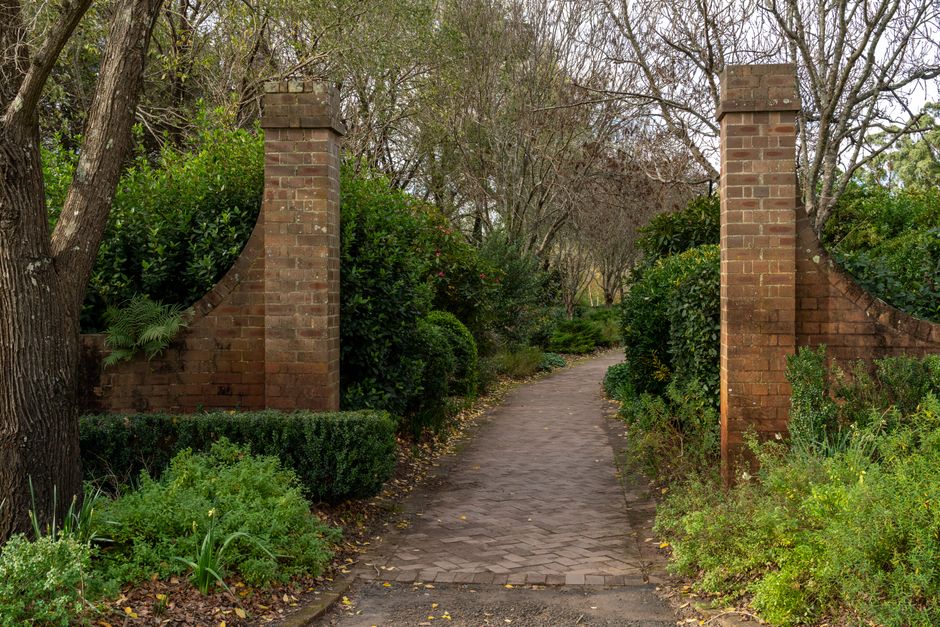
If you garden in Mitcham Eastfields, you already know the rhythm of it: one week the soil feels workable, the next it is sodden after a proper London downpour. The Mitcham Eastfields garden guide for local gardeners is here to make that easier. It brings together practical advice for small front gardens, long back gardens, patios, shared spaces, and the kind of mixed-use outdoor areas many homes around here have. Whether you are trying to get on top of an overgrown plot, improve the lawn, or simply make the space feel cared for again, this guide gives you a sensible starting point.
Truth be told, local gardening is often less about fancy ideas and more about timing, consistency, and knowing what works in your patch. That is especially true in a place like Mitcham Eastfields, where shade, boundary lines, compact spaces, and changing weather can all affect what grows well. Below, you will find a grounded, local-friendly guide that covers the basics properly, without the fluff.
- Why this guide matters locally
- How the approach works
- Benefits for your garden and routine
- Who it is for
- Step-by-step guidance
- Expert tips for better results
- Mistakes to avoid
- Tools, resources and recommendations
- Law, compliance and best practice
- Options and comparison table
- Real-world example
- Practical checklist
- Conclusion
- Frequently asked questions
Why Mitcham Eastfields garden guide for local gardeners Matters
A local gardening guide matters because no two gardens behave quite the same, and Mitcham Eastfields is a good example of that. Some gardens get full sun for most of the day. Others sit in the shadow of fences, walls, trees, or nearby buildings. Some plots are neat and narrow; others have older turf, compacted soil, or borders that have been left a bit too long. A generic gardening checklist rarely accounts for those realities.
This guide matters because it helps you make better decisions before you spend time or money. For instance, you might be wondering whether to improve the lawn, clear the whole space, trim hedges, rework planting beds, or start from scratch with landscaping. Those are very different jobs. Choosing the right one at the outset saves a lot of faffing about later. And let's face it, nobody wants to cut back the same bramble patch twice.
There is also a practical side. Local gardens often need regular maintenance rather than dramatic one-off changes. A steady approach works better than occasional heroics. If your outdoor space is used every day, even small improvements can make a noticeable difference: better edging, healthier turf, more light, and less clutter. It can feel like a new garden, without actually rebuilding the whole thing.
Expert summary: the best results usually come from matching the job to the garden's conditions, not forcing a one-size-fits-all plan. Start with what the space needs most, then build from there.
How Mitcham Eastfields garden guide for local gardeners Works
At its core, this guide works by breaking a garden into manageable parts: ground condition, layout, maintenance needs, plant health, access, and safety. Once you know what is happening in each area, you can decide whether the answer is mowing, pruning, clearing, replanting, or a fuller landscaping job.
The process is straightforward, though not always quick. First, you assess the space as it is now, not as you hope it might be next spring. Then you prioritise the most urgent issues. In many local gardens, that means removing overgrowth, improving visibility, and getting the lawn or borders back into a workable state. After that, you can think about longer-term improvements like path edges, raised beds, screening, or more efficient planting.
One thing people often miss: good garden work is seasonal. A tidy-up in early spring can set the tone for the whole year, while late summer work is often about control and recovery. Autumn is when many gardens need leaf clearance, hedge management, and a bit of preparation before winter weather settles in. Winter, on the other hand, is often the quiet period for planning, cutting back selected growth, and making safe adjustments.
Local gardeners also need to think about access. Narrow side passages, shared entrances, awkward bins, and limited storage can make a simple job more complicated than it sounds. That is normal. It is why practical planning matters just as much as plant choice.
Key Benefits and Practical Advantages
There are plenty of reasons to keep a local garden in good shape, but the benefits are not just visual. A well-managed outdoor space tends to be easier to use, easier to maintain, and more pleasant to spend time in. You notice the difference on a damp morning when the grass is trimmed, the path is clear, and you are not stepping around weeds or tangled branches.
- Better usability: a tidy garden is easier to walk through, water, plant, and enjoy.
- Healthier growth: proper mowing, pruning, and feeding can improve the condition of lawns and shrubs.
- Lower maintenance stress: regular care is usually less exhausting than tackling a heavily overgrown garden.
- Improved appearance: small changes like edging and hedge shaping can make a big visual difference.
- Safer conditions: clear paths, controlled growth, and sensible tree management reduce trip hazards and blocked access.
- Better long-term planning: once the basics are under control, you can make smarter improvements.
For local homeowners, landlords, and tenants alike, there is another advantage: consistency. Gardens that are maintained regularly tend to avoid the sharp ups and downs of neglected growth followed by expensive catch-up work. That is especially useful if the space is small, visible from the street, or shared with neighbours.
And yes, a neat garden can lift the feel of the whole property. Not in some exaggerated magazine way. More in the everyday sense that the place feels looked after, lived in, and calm.
Who This Is For and When It Makes Sense
This guide is useful for a wide mix of people. If you live in or around Mitcham Eastfields and the garden is starting to feel a bit out of hand, you are exactly the sort of reader this is for. It also helps if you are trying to decide whether to do the work yourself or bring in help.
- Busy homeowners: people who want a manageable maintenance routine rather than a large overhaul.
- New movers: anyone who has just taken on a property and wants to understand the garden's condition properly.
- Landlords and letting agents: those responsible for keeping outdoor spaces presentable and safe between tenancies.
- Older residents: people who want a garden that is easier to look after without losing its character.
- Families: gardens need to be practical when children, pets, and outdoor storage are all part of daily life.
- Enthusiastic gardeners: anyone who enjoys improving a plot but wants a better framework for seasonal work.
It makes sense to use this guide when the garden has become reactive rather than planned. For example, if you are always cutting back the same edges, mowing around clutter, or waiting until growth gets too tall, you probably need a better maintenance rhythm. Not a dramatic transformation. Just a more workable one.
There is also a tipping point where DIY stops being the sensible option. If a garden has become heavily overgrown, has mature trees needing care, or requires a broader redesign, a more structured approach is worth considering. Some jobs are simple. Others need proper equipment, time, and a calm head.
Step-by-Step Guidance
If you want a garden that feels under control, start with the basics. It sounds obvious, but people often jump straight to planting before the site has been assessed. That is backwards. A good order of work saves time and often saves money too.
- Walk the whole garden first. Notice the patches of shade, drainage issues, uneven ground, overgrown corners, and anything that blocks access.
- Decide what matters most. Safety, visibility, and access usually come before cosmetic changes. A broken path or unstable branch should not wait.
- Clear the clutter. Remove dead plants, old pots, broken supports, and anything else that is simply taking up useful space.
- Cut back growth with care. Hedge trimming, light pruning, and controlled mowing can instantly make a garden feel more manageable.
- Deal with the lawn properly. If the grass is thin or patchy, it may need scarifying, reseeding, feeding, or just more consistent mowing.
- Rework the borders. Define edges, lift competing weeds, and give plants room to breathe. Borders often tell the real story of a garden.
- Check drainage and soil. If areas stay soggy or compacted, the answer may be aeration, compost, or a redesign of how the space is used.
- Plan for maintenance, not just appearance. The prettiest layout in the world is no use if it is impossible to maintain.
For many gardens, a practical first pass is enough to reset the space. You may not need a full transformation right away. Sometimes the best move is to get the garden back to a workable state, then improve it in stages. That approach is calmer, and frankly more realistic.
If you are handling a local garden yourself, keep the work in sensible chunks. One weekend for clearing, another for mowing and hedge work, then a third for borders and finishing touches. It is less glamorous than a makeover montage, but it works.
Expert Tips for Better Results
Good gardening is often about small choices made consistently. The kind that do not look dramatic on day one, but pay off over the season. Here are a few expert-level habits that tend to make a proper difference in local gardens.
- Work with the site, not against it. If one part of the garden is shady and damp, choose plants that can live there comfortably rather than trying to force sun-loving plants to survive.
- Keep edges sharp. Straight, clean borders make even modest gardens look better maintained.
- Do little and often. A short maintenance routine usually beats an occasional marathon session. The garden stays calmer, too.
- Watch for compaction. Heavy foot traffic can make soil hard and poor at holding air and water. Aeration can help in lawns and some beds.
- Use pruning for shape, not just size. A well-pruned shrub looks intentional, not hacked back. There is a difference. You can spot it from the path.
- Think ahead to seasonal pressure points. Spring growth, summer watering, autumn leaf fall, and winter storms all create different jobs.
A small but useful habit is to keep a note of what changes in your garden after rain, wind, or a dry spell. You do not need a fancy system. A few lines in your phone is enough. Over time, it helps you spot patterns: which border dries first, where moss appears, or which hedge gets battered by wind. That little bit of observation can save a lot of guesswork.
Also, do not overfeed or overwater just because something looks tired. Sometimes the problem is light, soil quality, or root congestion. Sometimes the answer is simpler than you think. Gardening has a way of humbling people. Quite nicely, really.
Common Mistakes to Avoid
Most gardening problems are not dramatic disasters. They are small mistakes repeated over time. The good news is that once you know the common ones, they are easy enough to avoid.
- Starting with planting instead of clearing: if the space is overgrown, planting first usually creates more work later.
- Cutting too much at once: heavy pruning can stress shrubs and trees, especially if done at the wrong time.
- Ignoring the lawn's condition: mowing alone will not fix compacted, patchy, or mossy turf.
- Choosing plants for looks only: if a plant does not suit shade, soil, or exposure, it will become a recurring problem.
- Skipping maintenance after the tidy-up: this is the big one. A freshly cleared garden still needs care.
- Forgetting access and waste handling: garden jobs generate debris quickly, and a good plan for removal matters.
Another common issue is doing too much too quickly. It is tempting, especially when a garden finally feels manageable. But a rushed overhaul can leave gaps, uneven finishes, or plants removed before their replacement plan is ready. Better to pause, think, and work in order. A bit boring perhaps. Still the right move.
One more thing: do not assume that every problem is visible at first glance. A hedge may look fine until you notice the dead interior growth. A lawn may look green until you find it is full of thatch beneath the surface. Small inspections reveal a lot.
Tools, Resources and Recommendations
You do not need every garden tool under the sun. In most local gardens, a modest kit used properly is better than a shed full of neglected gear. The right tools depend on the work, but these are the basics worth having or arranging access to.
- Hand tools: trowel, fork, secateurs, loppers, and a sturdy rake.
- Mowing equipment: a mower suited to the lawn size and condition, plus an edge trimmer if needed.
- Cutting and shaping tools: hedge trimmers for tidy boundaries and formal shapes.
- Waste bags or containers: for green waste, debris, and smaller clearances.
- Protective gear: gloves, sturdy footwear, and eye protection for cutting jobs.
- Soil improvers: compost or other organic matter where beds need help with structure and nutrients.
If the job is larger than a regular tidy-up, it may be sensible to use professional support rather than stretching the work across too many weekends. A service focused on garden maintenance can be useful when the goal is consistency rather than a one-off reset. Likewise, if the site has become severely untidy, garden clearance is often the practical first step before anything else.
For broader improvements, you might also look at landscape gardening or landscaping if you want a more structured layout, better flow, or a refreshed outdoor design. And if the lawn is the main issue, lawn mowing support can help keep things tidy while you focus on the rest of the garden.
One useful local consideration is sustainability. Reusing healthy cuttings, composting where appropriate, and reducing unnecessary waste can make a real difference over a season. If you care about that side of things, the page on recycling and sustainability is worth a look.
Law, Compliance, Standards, or Best Practice
Most domestic gardening is straightforward, but there are still a few practical duties and good-practice points worth keeping in mind. If you are dealing with shared boundaries, trees, larger waste, or work near pathways and access points, it is sensible to think about safety and neighbour impact before you start.
In the UK, there are also general expectations around safe working methods, especially if equipment, ladders, or cutting tools are involved. For that reason, reputable providers normally keep safety documentation, insurance, and working procedures in order. If you are hiring help, it is reasonable to ask about those things. A careful provider should not mind. In fact, they should expect it.
For local gardeners doing the work themselves, best practice usually includes:
- checking fences, gates, and access points before starting;
- handling ladders and pruning tools with caution;
- avoiding over-pruning during unsuitable weather or growth periods;
- disposing of waste responsibly rather than burning or dumping it;
- keeping noise and disturbance reasonable, especially in close terraces or shared outdoor spaces.
If you want reassurance around service standards, the site's health and safety policy and insurance and safety information can help explain how responsible work is handled. For practical buying confidence, it is also sensible to review pricing and quotes so you know what to expect before any work begins.
To be fair, a lot of compliance in gardening is just common sense done properly. Careful handling, tidy sites, and clear communication solve a surprising amount.
Options, Methods, or Comparison Table
If you are deciding how to tackle your garden, it helps to compare the main approaches side by side. The right choice depends on the condition of the space, how much time you have, and how much change you actually want.
| Approach | Best for | Typical strengths | Possible drawbacks |
|---|---|---|---|
| DIY maintenance | Small, manageable gardens and routine upkeep | Low cost, flexible timing, full control | Can slip when life gets busy; may miss deeper issues |
| Professional maintenance | Busy households, rental properties, regular upkeep | Consistency, better finish, less stress | Ongoing cost, less hands-on control |
| Clearance first, then maintenance | Overgrown or neglected gardens | Fast reset, easier to plan next steps | Can feel disruptive at first; needs follow-up work |
| Landscape redesign | Gardens needing a new layout or better use of space | Long-term improvement, better function and appearance | More planning, more budget, longer timeline |
In many cases, the best route is a mix. You may start with clearance, move into maintenance, then add small landscaping upgrades once the bones of the garden are sound. That order tends to work well. It also avoids the classic mistake of spending money on finishes before the structure underneath is sorted.
Case Study or Real-World Example
Here is a realistic example from the sort of garden many people in Mitcham Eastfields are dealing with. Picture a modest back garden: a patchy lawn, a hedge that has grown wider than intended, a few tired borders, and a narrow side access that makes moving tools around awkward. Nothing dramatic, just a space that has slowly slipped out of control.
The first step is not to panic and certainly not to rip everything out. Instead, you begin with clearance. Dead material comes out, the access route is opened up, and the hedge is trimmed back enough to restore shape and light. The lawn is then cut to a sensible height, but not scalped. Borders are cleaned, edges redefined, and the worst weeds removed.
At that point, the garden already feels different. Not perfect. Better. A later visit could focus on feeding the lawn, improving soil, and replacing a few weak plants with ones that suit the shade and soil better. The final result is not an instant magazine makeover. It is a usable, calmer outdoor space that is easier to care for week by week.
That, in many ways, is the whole point. A garden does not have to be huge or heavily designed to feel good. It just needs the right kind of attention at the right time.
Practical Checklist
Use this checklist before you start work, or before you book help. It keeps the job grounded and helps you avoid the usual last-minute surprises.
- Walk the garden and note the main issues.
- Identify any safety hazards, blocked access, or unstable growth.
- Decide whether the space needs clearing, maintenance, or redesign.
- Check which areas get sun, shade, wind, and heavy foot traffic.
- Inspect the lawn for patchiness, moss, or compacted soil.
- Review hedges, shrubs, and tree branches for overgrowth.
- Remove waste, clutter, and dead material first.
- Set a realistic plan for the next 4 to 8 weeks.
- Choose plants and treatments that suit the site, not just the look.
- Think about maintenance, not just the initial tidy-up.
If you are hiring help, it is also sensible to confirm what is included, how waste will be handled, and whether the provider can support both routine care and larger jobs. A little clarity upfront saves awkward questions later.
Get a free quote today and see how much you can save.
Conclusion
The most useful Mitcham Eastfields garden guide for local gardeners is not the one with the fanciest ideas. It is the one that helps you make practical decisions, one step at a time. Start with what the garden actually needs. Keep the focus on access, maintenance, and long-term manageability. Then build from there.
Whether you are tidying a compact space, tackling a neglected plot, or improving a garden that is already half-working, the same principle applies: steady care beats rushed fixes. A little attention now can save a lot of effort later. And once the space starts to settle, you will notice it every time you step outside. That calm, that order, that sense that the garden is finally on your side.
If you are ready to improve your outdoor space, the next step is simply to choose the right starting point and get moving. Small progress counts. It really does.
Frequently Asked Questions
What is the best first step for a garden in Mitcham Eastfields?
Start with a full walk-through of the space. Look for overgrowth, blocked access, lawn problems, and anything unsafe or awkward to work around. That gives you a realistic picture of what needs attention first.
How often should local gardens be maintained?
Most gardens benefit from light, regular attention rather than occasional heavy work. In practice, that often means weekly or fortnightly tasks in growing season, with seasonal jobs layered in as needed.
Is it better to clear a garden before planting?
Yes, usually. If a garden is cluttered or overgrown, clearing it first gives you space to see what is working and what needs replacing. Planting into a messy site often creates more problems later.
What should I do if the lawn looks patchy or tired?
Check whether the issue is mowing frequency, poor soil, compaction, shade, or moss. The right fix depends on the cause. Sometimes reseeding and feeding help; sometimes the lawn needs more than that.
Do I need professional help for hedge trimming?
Not always. Smaller hedges can often be handled by a confident homeowner with the right tools. But taller, wider, or awkwardly placed hedges may be safer and more efficient with professional support.
How do I know whether my garden needs clearance or maintenance?
If the space is heavily overgrown, blocked, or difficult to move through, clearance is probably the first job. If it is generally tidy but needs ongoing attention, maintenance is the better fit.
What are the biggest mistakes local gardeners make?
The most common mistakes are cutting too much at once, ignoring lawn condition, choosing the wrong plants for the site, and not keeping up with follow-up maintenance. The garden often tells you what it needs, if you give it a minute.
Can landscaping help a small garden feel bigger?
Yes. Thoughtful landscaping can improve flow, create clearer zones, and make a small space feel less cramped. Simple changes like better edging, smarter planting, and tidier access can make a surprising difference.
What should I ask before booking garden work?
Ask what is included, how waste will be handled, whether the provider is insured, and whether the job is a one-off or part of a maintenance plan. Clear answers at the start make the whole process smoother.
When is the best time of year to tackle a garden reset?
Spring and early autumn are often practical times for bigger tidy-ups, though the right timing depends on the condition of the garden and the type of work involved. Some clearance and maintenance can be done year-round with care.
How can I keep a garden manageable after the main work is done?
Keep a simple routine. Mow regularly, trim growth before it gets away from you, clear debris, and review the garden seasonally. Small, consistent jobs are what keep a reset garden from slipping back.
Where can I find more information about local gardening services?
You can explore the site's services overview for a broader look at what is available, or visit the blog for related gardening guidance and practical advice.